Indonesia's digital financial ecosystem has grown rapidly, and fraud is evolving with it. Account takeovers, identity misuse and social engineering increasingly exploit the gaps between digital identity, device activity and financial behaviour. Financial institutions have invested heavily in KYC, transaction monitoring and device fingerprinting, yet one question remains:
Are they seeing enough of the picture to make informed risk decisions?
One valuable source of intelligence sits outside the financial ecosystem: telecommunications networks. Telecom signals about devices, mobility, application usage and subscriber behaviour may look unrelated to fraud on their own. Combined with a financial institution's own data, they can add useful context for understanding risk.
1. The limits of a single lens
Banks, fintechs and payment providers each see only the activity on their own platform. They may spot an unusual transaction or login, but they can't see what is changing outside it:
Has the subscriber recently switched handsets, or changed devices repeatedly?
Has their established mobility pattern shifted significantly?
Has their digital activity or telecom usage changed in an unusual way?
Telecom information can't independently identify fraud. It helps institutions assess situations with a broader set of signals.
2. What telecom networks can offer
Depending on the operator, available data, permissions and processing arrangements, telecom signals can be turned into useful features:
Device intelligence: Handset profiles, device continuity and device changes. A change isn't inherently suspicious, but its history and context can help separate ordinary behaviour from activity that needs further verification.
Mobility intelligence: Established location patterns and deviations from them. This must be handled with particular care and used only where legally authorised, necessary and proportionate.
Digital activity: Aggregated application-category usage and changes over time. The goal is not to expose private app activity, but to provide purpose-specific, derived features that support legitimate risk assessment.
Usage and spending behaviour: Recharge patterns, data consumption and usage frequency. These aren't measures of creditworthiness or proof of identity, only another view of behavioural consistency and change.
3. From isolated signals to longitudinal intelligence
The biggest opportunity is not any single signal but understanding patterns over time.
Point-in-time verification asks: Is this number valid? Has the SIM recently changed? Is this the expected device? These checks are useful but give only a snapshot.
Longitudinal intelligence asks: How stable is the subscriber's device history? How consistent are their mobility patterns? Are several changes happening together? How do they relate to the institution's own risk signals?
No single signal, or even a combination, proves fraud. But independent sources can help a risk engine decide whether to proceed, request extra verification, apply stronger authentication or escalate for review.
The shift is from checking isolated events to understanding behavioural patterns over time.
4. Opportunities for financial institutions
Digital onboarding: Authorised signals such as number tenure, device history and subscriber behaviour can flag cases needing extra verification, rather than relying only on static identity information.
Account takeover: A recent device change combined with a deviation from established behaviour can add context to unfamiliar logins, account recovery attempts or unusual account actions.
Transaction-time risk: When a suspicious transaction is detected, an institution could request a purpose-specific assessment to complement its existing fraud models.
These are opportunities to validate through real-world pilots. Effectiveness will depend on signal quality, use-case design, consent or another legal basis, and measured outcomes.
5. Why collaboration matters
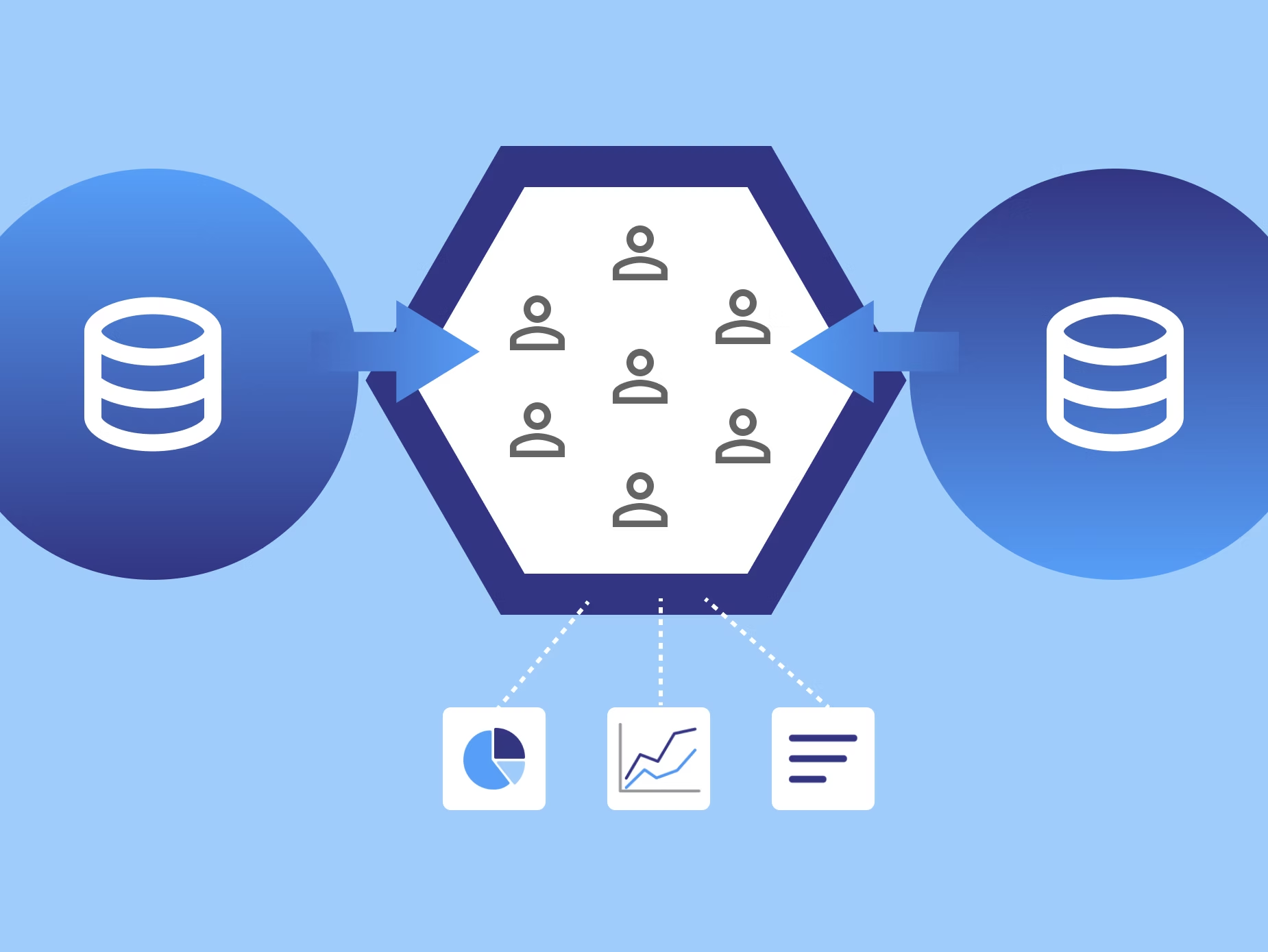
Telecom operators see network activity, devices and subscriber behaviour. Financial institutions see accounts, transactions and confirmed fraud outcomes. Neither has the complete picture.
Connecting the two gives operators a way to offer authorised, value-added intelligence beyond connectivity, and gives financial institutions a way to enrich their risk systems. Collaboration doesn't mean pooling raw customer databases or granting unrestricted access. It requires carefully designed data access, defined purposes, appropriate permissions and controls over how information is used.
6. Building responsibly
Location patterns, device histories and usage behaviour can reveal a great deal about individuals, so responsible use requires more than technical integration:
Authorised access: Use data only in line with operator agreements, permissions and applicable laws.
Purpose limitation: Use signals only for defined, legitimate purposes.
Data minimisation: Share only what a particular assessment needs.
Privacy-conscious processing: Protect sensitive underlying data with appropriate technical and organisational measures.
Governance and accountability: Keep access, processing, retention and downstream use controlled and auditable.
The aim is not to make more personal data available to more organisations, but to make relevant intelligence available in a controlled way, without unnecessary exposure of subscriber information.
7. Towards a more connected ecosystem in Indonesia
Indonesia has a large, increasingly digital financial sector and telecom operators with extensive network infrastructure and subscriber intelligence. Bringing them closer together could open new possibilities for fraud prevention and identity risk assessment.
That is the opportunity behind TelcoSignal by PryvX: an API platform that brings authorised telecom-derived intelligence into the workflows of banks, fintech lenders and payment providers. Instead of building separate integrations with different data sources, institutions get a unified interface to incorporate relevant signals into existing risk systems, with privacy, authorisation and responsible data use at the centre.
We are inviting Indonesian banks, fintechs and payment providers to explore proof-of-concept opportunities with TelcoSignal, to test practical use cases and help build a more connected approach to digital fraud prevention.
To explore a collaboration or PoC, connect with the PryvX team at telcosignal.pryvx.com.
TelcoSignal is developed by PryvX, a privacy-tech company focused on enabling responsible data collaboration.